Physiotherapy Reimagined: From Manual Techniques to Smart Feedback
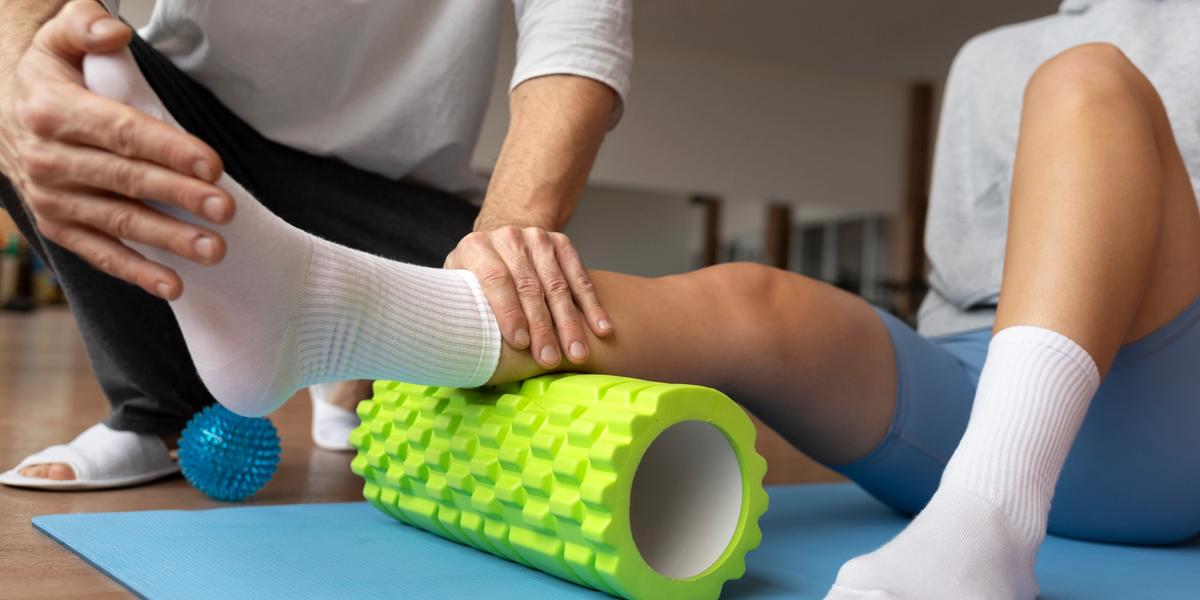
Physiotherapy is undergoing a major shift as data and movement come together, with smart sensors enhancing the traditional human touch. Beyond hands-on assessments and subjective evaluations, the field is now embracing intelligent feedback systems that make recovery more measurable, interactive, and personalized. With AI in physiotherapy, this transformation is becoming even more powerful, helping clinicians track progress with precision and tailor treatment in ways that weren’t possible before.
According to the World Health Organization, there are approximately 2.4 billion people worldwide who live with an injury or disease that could benefit from rehabilitation, making the need for innovation in this area greater than ever. We are beginning to see rehab technology emerge that will provide therapists with even more precise ways to assess movement, determine progression in treatment, and personalize the recovery experience, making it smarter, more engaging, and significantly different from traditional therapy.
At the same time, robotics and AI-powered feedback systems in physiotherapy treatment are pushing the boundaries even further, helping patients regain strength and mobility more effectively, accurately, and consistently. This blog will take you through physiotherapy’s evolution from hands-on expertise to smart, tech-driven solutions, and what it means for the future of rehabilitation.
The Journey from Human Judgment to Smart Insights
The field of physiotherapy has undergone an immense transformation over the years. There was a time when therapists relied solely on observation and human touch to detect subtle changes in movement, joint angles, and muscle strength; a method that, although effective, had its drawbacks due to subjective interpretation and the possibility of human error.
Today, smart rehabilitation tools are revolutionizing the domain, offering objective motion tracking and muscular activity. Wearable sensors and motion-capture technology make it possible for therapists to monitor performance in real time and pinpoint deviations from prescribed exercises. Looking ahead, innovations like robotics in rehab promise even greater precision, enabling therapists to design more personalized and effective treatment plans.
Adding to this evolution is the rise of interactive digital approaches such as exergaming, where physical exercises are integrated into playful, game-like environments. This form of gaming therapy helps patients stay motivated and engaged. By turning therapy into an immersive experience, it encourages consistency, improves adherence, and supports better long-term outcomes.
Smart Rehab Tools in Action
Smart devices and wearables are transforming physiotherapy treatment by providing therapists with real-time information on movement, strength, and joint health. Here’s how these advanced tools are transforming the rehabilitation practice:
- Spotting subtle deviations in correct movement patterns
- Providing instant biofeedback on exercise technique
- Improving safety and reducing the risk of injury
- Personalizing therapy plans based on objective data
- Enhancing patient engagement with gamified exercises
- Collecting outcomes data for more informed treatment decisions
Devices like SPOT by ROPODS highlight this new wave of intelligent rehab technology, delivering real-time feedback, detailed progress tracking, and more engaging exercise experiences.
Improving Patient Outcomes
Rehab technology is changing the way people recover from injury. Many studies have found that patients receiving technology-assisted physiotherapy tend to recover faster, progress steadily, and be more engaged in their therapy. One such study on post-hip surgery patients found that patients receiving tech-assisted smart rehab gained mobility and independence at a rate twice as fast as those participating in traditional forms of therapy.
Furthermore, these motion tracking tools help minimize errors in exercise form while providing objective progress tracking, giving both patients and therapists a clear view of improvements. Additionally, robotics in rehab can help guide precise movements, ensuring correct form, and reducing strain. Combining human expertise with advanced technology, physiotherapy has now become safer, even more effective, and wholly focused on helping patients achieve their recovery goals.
Human Expertise Meets Smart Technology
As physiotherapy becomes increasingly technology-driven, the role of the therapist remains paramount. The data provided by the devices is only of relevant value when interpreted by a professional who can understand it regarding each patient's needs.
The following are some of the key aspects of the evolving role of therapists.
- Data interpretation for personalized care
Therapists interpret metrics from the rehab tools to capture the trend of the patient's progress, pinpoint movement errors, and alter therapy plans accordingly. Rehab technology gives numbers; the therapist gives context.
- Exercise customization
No two patients are the same. With the help of insights provided by smart rehab systems, therapists tailor exercises to match each patient's capabilities and recovery goals to ensure safe and effective rehabilitation.
- Complementing technology with human intuition
While technology helps healthcare providers track patient performance; human empathy, observation, and clinical judgement remain irreplaceable. Combining these together makes rehabilitation not only accurate but also patient-centered and compassionate.
- Maintaining motivation and engagement
Beyond metrics, therapists also provide emotional encouragement and support to patients to transform physiotherapy treatment from a tedious chore to a positive and motivating experience.
- Integrating new tools thoughtfully
Therapists guide the adoption of advanced rehabilitation tools and ensure that the timing and introduction of technology are not overwhelming for the patient, thus keeping recovery practical and efficient.
Looking Ahead: The Future of Physiotherapy
The future of physiotherapy treatment is heading towards being more accurate, engaging, and personalized. Smart rehabilitation tools are enabling therapists to reliably track progress, give real-time guidance during exercises, and maintain patient motivation while recovering. At ROPODS, we are redefining human performance using the synergy between intelligent sensors and artificial intelligence. Our flagship tool, SPOT, provides therapists with real-time feedback, motivational audio, gamification features, and performance-tracking tools to ensure rehabilitation is engaging and effective. As the rehab technology continues to improve, we are dedicated to building a physiotherapy experience that is faster, safer, and ultimately more impactful for every patient.
The Final Takeaway
The integration of AI and smart rehabilitation tools is reshaping how recovery happens, making physiotherapy more accurate, efficient, and motivating. As AI in physiotherapy continues to evolve, the balance between human expertise and data-driven insight becomes even more powerful. Rehabilitation shifts into a collaborative, measurable, and truly patient-centred experience.
By combining intelligent sensors, real-time feedback, and engaging digital interfaces, ROPODS is demonstrating how modern rehab technology can support therapists in delivering care that’s not just smarter, but also deeply human. The future of physiotherapy isn’t about replacing touch with tech; it’s about amplifying the human touch through technology.
Ready to Transform Your Rehab Practice?
See how ROPODS SPOT can help you engage patients and drive better outcomes. Book a demo today and experience the future of rehabilitation technology.
Related Articles
 Technology
 Innovation
 Innovation