Wearables in Physiotherapy: What Clinicians Should Know
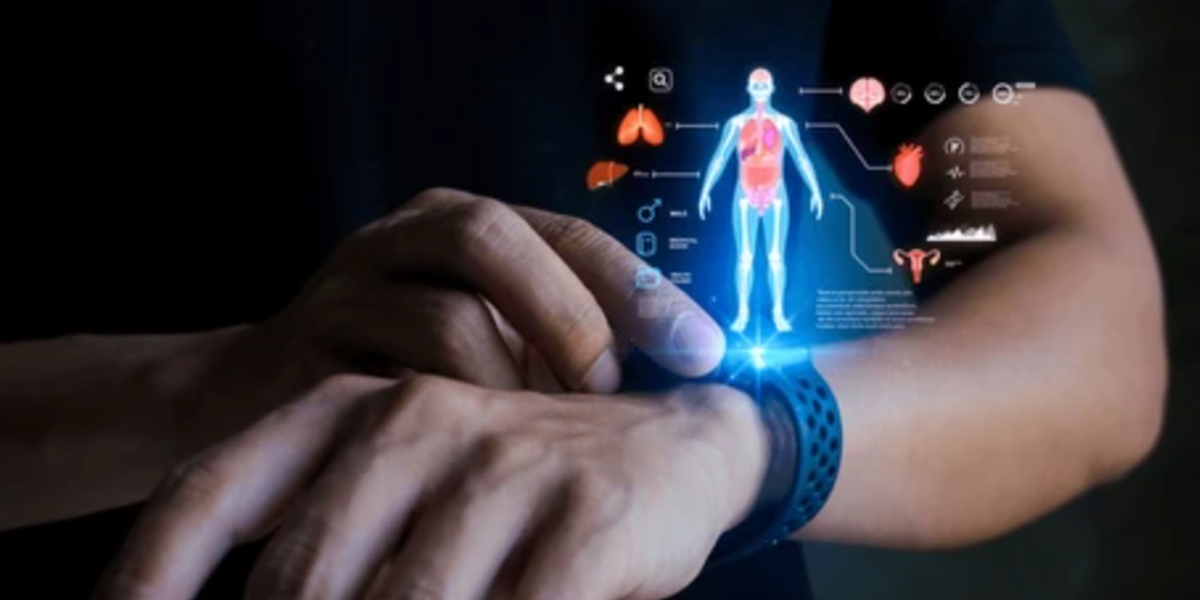
Wearables are no longer limited to fitness tracking. In physiotherapy, they are becoming clinical tools that help monitor movement, measure progress, and support data-driven decision-making-both inside and outside the clinic.
What Are Wearables in Physiotherapy?
Wearables are sensor-based devices worn on the body to track movement, posture, balance, muscle activity, or physiological data. In rehab, they provide continuous insight into how patients move during therapy sessions and daily life.
Common data captured includes:
- Range of motion
- Movement symmetry
- Gait parameters
- Balance and stability
- Exercise adherence
Why Wearables Matter in Modern Rehab
Traditional physiotherapy relies heavily on observation and patient feedback. Wearables add:
- Objective measurements
- Continuous monitoring
- Quantifiable progress tracking
- Greater consistency across sessions
This allows clinicians to validate clinical judgment with data.
Clinical Applications of Wearables
Wearables are increasingly used for:
- Gait analysis and correction
- Balance training and fall prevention
- Neurological rehabilitation
- Post-operative monitoring
- Home exercise compliance
They help detect subtle movement deficits that are often missed visually.
Benefits Over Manual Observation
Compared to observation alone, wearables offer:
- Higher accuracy
- Real-time feedback
- Repeatable measurements
- Early identification of compensatory patterns
This reduces reliance on subjective assessment alone.
What Clinicians Should Look for in a Rehab Wearable
Not all wearables are clinically useful. Key factors include:
- Medical-grade accuracy
- Ease of use in clinical workflows
- Real-time feedback capabilities
- Actionable data, not just numbers
- Patient-friendly design
Wearables should support therapy-not complicate it.
Challenges and Limitations
Despite their benefits, wearables face challenges such as:
- Data overload
- Calibration accuracy
- Patient compliance
- Integration with existing rehab workflows
Clinician interpretation remains essential.
The Future of Wearables in Physiotherapy
The next generation of wearables will:
- Integrate AI-driven insights
- Support remote monitoring
- Enable personalized rehab pathways
- Combine biofeedback with gamification
Wearables are shifting rehab toward continuous, outcome-focused care.
Final Takeaway
Wearables don’t replace physiotherapists-they amplify clinical insight.With SPOT by ROPODS, wearable technology delivers real-time, objective movement feedback that helps clinicians personalize rehab while keeping therapy human-centered.
Ready to Transform Your Rehab Practice?
See how ROPODS SPOT can help you engage patients and drive better outcomes. Book a demo today and experience the future of rehabilitation technology.
Related Articles
 Physical Therapy
 Physical Therapy
 Physical Therapy