Overuse Injuries: Why Rest Alone Doesn’t Fix Them
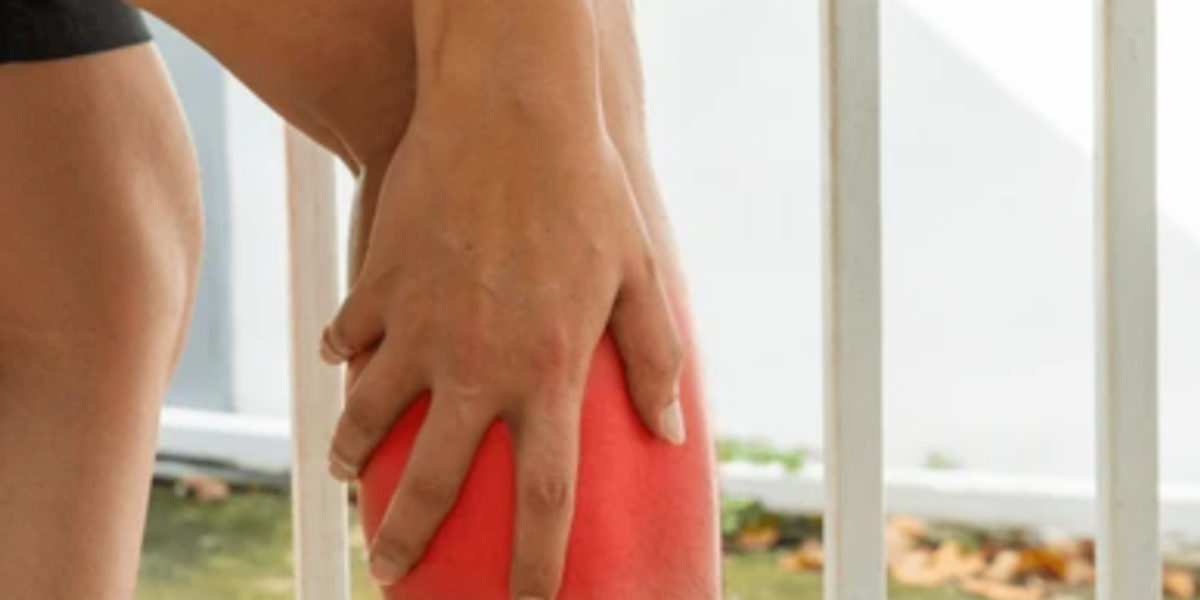
Overuse injuries are among the most common complaints seen in physiotherapy clinics-from runners and gym-goers to desk workers and manual laborers. While rest may reduce pain temporarily, it rarely addresses the underlying cause, which is why symptoms often return once activity resumes.
What Are Overuse Injuries?
Overuse injuries occur when repetitive stress exceeds the body’s ability to recover. Unlike acute injuries, they develop gradually and worsen over time.
Common examples include:
- •Tendinitis (Achilles, rotator cuff, patellar)
- •Tennis elbow and golfer’s elbow
- •Shin splints
- •Stress reactions and stress fractures
- •Plantar fasciitis
Why Rest Feels Helpful-But Isn’t Enough
Rest can:
- •Reduce inflammation
- •Decrease pain temporarily
- •Allow irritated tissues to calm down
However, rest does not correct:
- •Faulty movement patterns
- •Muscle imbalances
- •Poor load management
- •Weakness or poor control
Once activity restarts, the same stress is reapplied-often leading to recurrence.
The Real Causes Behind Overuse Injuries
Overuse injuries usually stem from a combination of:
- •Repetitive poor biomechanics
- •Inadequate strength or endurance
- •Sudden spikes in training or workload
- •Poor recovery strategies
- •Improper technique or posture
Pain is the symptom, not the source.
Why Rehabilitation Matters More Than Rest
Effective rehab focuses on:
- •Gradual and guided loading of tissues
- •Improving movement quality
- •Correcting strength and flexibility deficits
- •Rebuilding tolerance to activity
- •Teaching pacing and recovery strategies
This approach restores function and resilience.
The Role of Movement Analysis in Recovery
Small errors in movement-such as altered gait, poor joint control, or compensations-can overload tissues repeatedly. Objective movement assessment helps:
- •Identify stress patterns early
- •Track progress safely
- •Adjust rehab intensity accurately
This reduces re-injury risk significantly.
Common Mistakes That Delay Recovery
- •Returning to activity too quickly
- •Ignoring mild but persistent pain
- •Relying only on painkillers
- •Skipping strengthening once pain subsides
- •Treating symptoms instead of movement patterns
Preventing Recurrence: A Smarter Approach
Long-term recovery requires:
- •Progressive strengthening
- •Load monitoring
- •Movement re-education
- •Regular reassessment
Prevention is about building capacity, not avoiding activity.
Final Takeaway
Overuse injuries don’t need more rest-they need better movement and smarter loading.By enabling objective tracking, real-time feedback, and progressive rehab, ROPODS’ SPOT helps therapists move beyond pain relief to long-term injury prevention.
Ready to Transform Your Rehab Practice?
See how ROPODS SPOT can help you engage patients and drive better outcomes. Book a demo today and experience the future of rehabilitation technology.
Related Articles
 Patient Care
 Patient Care
 Patient Care