Gamification in Rehab: Does It Improve Adherence?
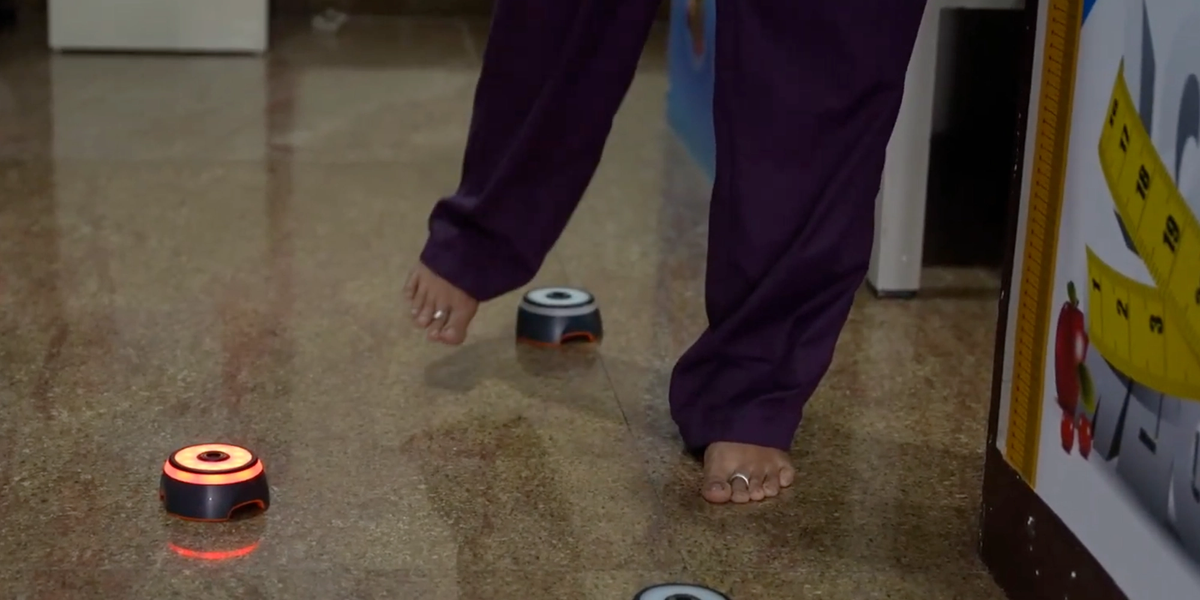
One of the biggest challenges in rehabilitation isn’t designing the right exercise—it’s ensuring patients actually do it. Missed sessions, half-hearted home programs, and early dropouts slow recovery. Gamification in rehabilitation is emerging as a powerful tool to improve adherence by making therapy interactive, motivating, and measurable.
What Is Gamification in Rehabilitation?
Gamification applies game-like elements to therapy, such as:
- Visual feedback
- Scores or progress bars
- Targets and challenges
- Rewards or milestones
These elements transform repetitive exercises into engaging tasks without compromising clinical goals.
Why Adherence Is a Problem in Rehab
Patients often stop or reduce rehab because:
- Exercises feel boring or repetitive
- Progress isn’t visible
- Pain or fatigue reduces motivation
- Home programs lack supervision
Even well-designed rehab plans fail if adherence drops.
How Gamification Improves Patient Engagement
Gamified rehab helps by:
- Providing instant visual feedback
- Turning exercises into goal-oriented tasks
- Encouraging consistency through progress tracking
- Making sessions feel shorter and more enjoyable
Patients are more likely to complete prescribed repetitions when feedback is immediate.
The Psychology Behind Gamified Therapy
Gamification taps into:
- Motivation through achievement
- Confidence from visible improvement
- Focus through interactive tasks
Instead of “doing exercises,” patients are “achieving targets,” which shifts mindset and effort.
Clinical Benefits Beyond Motivation
Gamification also benefits therapists:
- Better session participation
- Objective data on performance
- Easier progressions based on measurable outcomes
- Improved therapist-patient communication
It supports evidence-based progression rather than guesswork.
Does Gamification Work for All Patients?
Gamification is particularly effective for:
- Neurological rehab (stroke, Parkinson’s, balance disorders)
- Pediatric rehab
- Geriatric fall-prevention programs
- Home exercise programs
However, clinical relevance matters-games must align with therapeutic goals.
When Gamification Falls Short
Gamification fails when:
- Games are not movement-specific
- Feedback is inaccurate
- Exercises prioritize fun over form
Successful systems integrate play without compromising biomechanics.
Final Takeaway
Gamification doesn’t replace therapy-it strengthens it. With SPOT’s real-time biofeedback and gamified movement tracking, ROPODS helps patients stay consistent while clinicians stay in control of outcomes.
Ready to Transform Your Rehab Practice?
See how ROPODS SPOT can help you engage patients and drive better outcomes. Book a demo today and experience the future of rehabilitation technology.
Related Articles
 Patient Care
 Patient Care
 Patient Care