Flat Feet in Kids: When to Worry
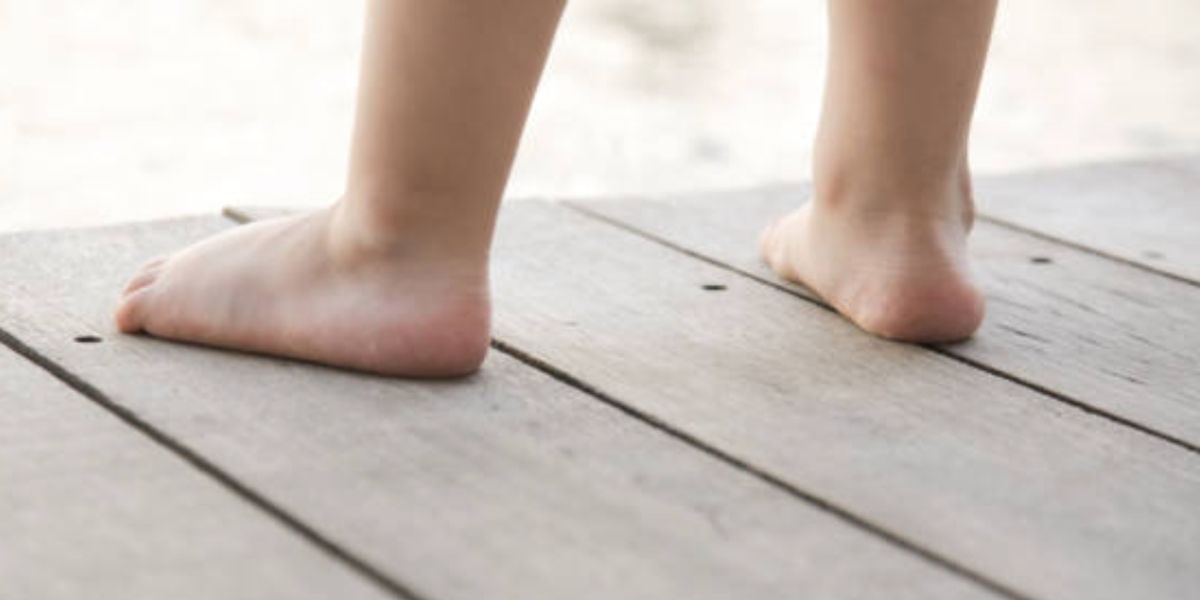
Many parents notice that their child’s feet look flat and worry about future pain or walking problems. In most young children, flat feet are a normal part of development. However, in some cases, flat feet can affect movement, balance, and participation-making early physiotherapy assessment important.
What Are Flat Feet?
Flat feet occur when the arch of the foot is:
- Low or absent when standing
- More visible when the child sits or lifts the foot
This is often referred to as flexible flat feet, which are common in children.
Why Flat Feet Are Common in Children
Flat feet are usually normal because:
- Foot arches develop gradually until age 6-8
- Ligaments are naturally flexible
- Fat pads in the foot mask the arch
- Muscles and coordination are still developing
Most children outgrow flat feet without treatment.
When Flat Feet May Need Attention
Flat feet may require evaluation if the child has:
- Pain in feet, ankles, knees, or legs
- Frequent tripping or fatigue
- Poor balance or coordination
- Difficulty keeping up with peers
- Uneven shoe wear or altered walking pattern
Symptoms-not appearance-guide treatment.
How Flat Feet Can Affect Movement
Problematic flat feet may lead to:
- Poor shock absorption
- Altered gait mechanics
- Increased strain on legs and knees
- Reduced endurance during play
These can impact a child’s confidence and activity levels.
The Role of Physiotherapy
Physiotherapy focuses on:
- Strengthening foot and leg muscles
- Improving balance and coordination
- Enhancing walking and running mechanics
- Educating parents on activity and footwear
- Reducing pain and improving function
Exercise is often more effective than passive support alone.
Do All Children Need Insoles?
Not always. Insoles may help when:
- Pain is present
- Activity tolerance is low
- Muscle weakness or poor control exists
They should support function-not replace muscle development.
Why Objective Movement Assessment Helps
Children adapt quickly, making subtle improvements hard to spot. Objective tracking helps:
- Monitor functional progress
- Guide exercise progression
- Reassure parents with visible results
Final Takeaway
Flat feet in children are usually normal-but symptoms should never be ignored.With interactive movement training and measurable feedback, ROPODS’ SPOT helps therapists support healthy foot development and confident movement.
Ready to Transform Your Rehab Practice?
See how ROPODS SPOT can help you engage patients and drive better outcomes. Book a demo today and experience the future of rehabilitation technology.
Related Articles
 Patient Care
 Patient Care
 Patient Care