Sarcopenia: The Silent Muscle Loss After 60
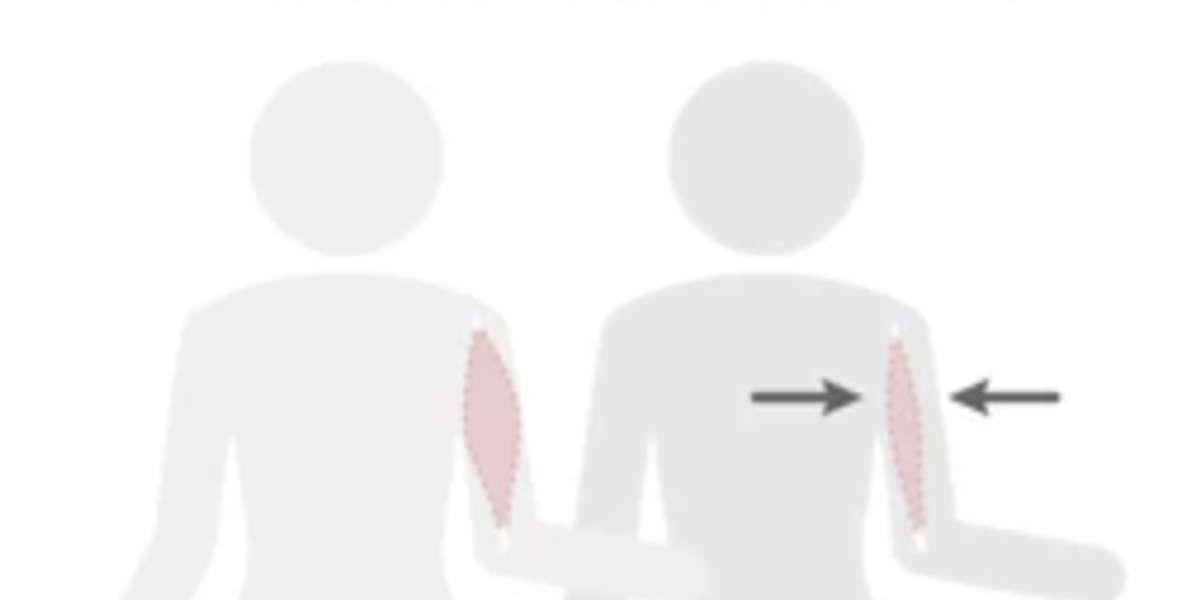
As we age, gradual muscle loss often goes unnoticed until it begins to affect balance, strength, and independence. Known as sarcopenia, this condition can significantly increase the risk of falls, frailty, and reduced quality of life. Early recognition and targeted physiotherapy can slow, stop, and even reverse its impact.
What Is Sarcopenia?
Sarcopenia is the age-related loss of muscle mass, strength, and function, typically accelerating after the age of 60.
It affects:
- Lower limb strength
- Grip strength
- Walking speed
- Balance and endurance
Why Sarcopenia Is Often Missed
Sarcopenia progresses silently because:
- Muscle loss happens gradually
- Weakness is attributed to “normal aging”
- Pain may be minimal or absent
- Activity levels slowly decline
By the time symptoms are obvious, functional loss may already be significant.
Why Muscle Loss Matters
Untreated sarcopenia increases the risk of:
- Falls and fractures
- Loss of independence
- Hospitalization
- Slower recovery from illness or surgery
Muscle is essential for movement, stability, and metabolic health.
What Causes Sarcopenia?
Contributing factors include:
- Reduced physical activity
- Inadequate protein intake
- Hormonal changes
- Chronic illness
- Prolonged inactivity or bed rest
These factors often overlap in older adults.
How Physiotherapy Helps
Physiotherapy focuses on:
- Progressive resistance training
- Balance and functional exercises
- Gait and mobility training
- Education on safe movement
- Building long-term exercise habits
Even small gains in strength can lead to meaningful improvements.
Why Consistency Beats Intensity
For older adults:
- Regular, moderate exercise is safer
- Gradual progression reduces injury risk
- Long-term adherence matters most
Sarcopenia responds best to steady, structured rehab.
The Importance of Tracking Progress
Objective monitoring helps:
- Identify early muscle decline
- Track strength and functional gains
- Adjust exercise safely
- Motivate continued participation
Seeing improvement reinforces confidence.
Final Takeaway
Sarcopenia may be silent-but its impact doesn’t have to be. With guided strength training and measurable progress tracking, ROPODS’ SPOT helps older adults rebuild strength, confidence, and independence.
Ready to Transform Your Rehab Practice?
See how ROPODS SPOT can help you engage patients and drive better outcomes. Book a demo today and experience the future of rehabilitation technology.
Related Articles
 Patient Care
 Patient Care
 Patient Care