How Technology Is Making Rehabilitation More Interactive
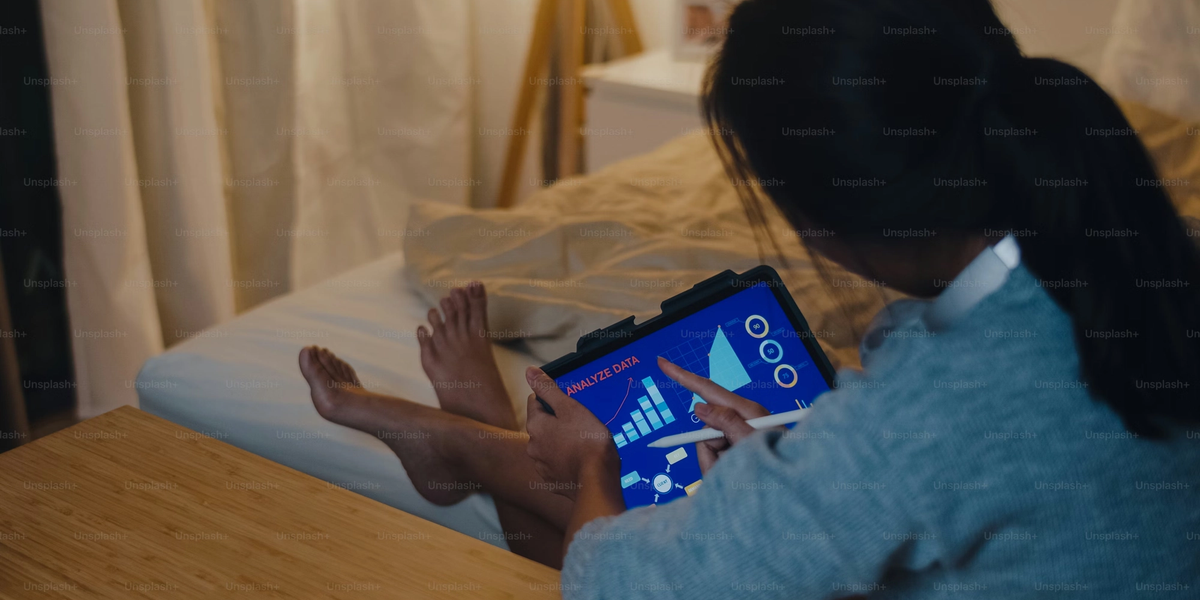
How Technology Is Making Rehabilitation More Interactive?
Rehabilitation is undergoing a major shift-from passive, repetitive routines to engaging, sensor-driven, intelligent therapy experiences. With sensors, AI, real-time feedback, connected systems, and immersive technologies, rehab today is more accurate, motivating, and personalized than ever before.
From Static Exercises to Interactive Sensor-Based Sessions
Traditional physiotherapy often relied on printed instructions or simple verbal cues. Today, wearable sensors and motion-tracking devices capture precise data on movement quality, posture, joint angles, and balance. This transforms rehab sessions into interactive experiences where every movement is measured and corrected instantly.
AI-Assisted Interfaces for Patient-Centered Therapy
AI enhances therapy by analyzing motion patterns and identifying errors in real-time. When a patient performs an exercise incorrectly, AI systems provide immediate visual or audio cues that guide proper technique. This acts like a therapist supervising every repetition-even during home-based sessions-making rehab more personalized and accessible.
Real-Time Correction to Reduce Re-Injury
Improper form during exercises can delay recovery or cause re-injury. Sensor-based systems detect deviations instantly and help correct movement patterns on the spot. This ensures safer rehabilitation, especially for post-operative, neurological, and sports injury patients.
Digital Dashboards That Show Real Progress
Modern rehab tools convert sensor data into clear, visual dashboards that track performance over days, weeks, or months. Patients and therapists can see improvements in range of motion, speed, balance, posture, and adherence. This data-driven transparency improves decision-making and boosts motivation.
Connected Rehab Systems for Better Collaboration
With cloud dashboards, tele-rehab platforms, and remote monitoring software, therapists and patients remain connected beyond clinic visits. These systems simplify follow-ups, improve communication, and allow remote supervision-making rehabilitation more flexible and consistent.
Emotional & Motivational Benefits of Interactive Rehab
Interactive rehab-with gamified exercises, instant feedback, and progress visualization-keeps patients engaged. It reduces monotony, boosts confidence, and improves adherence, which is a major factor in successful recovery.
The Future:
Augmented Reality and Virtual Reality are making rehab more immersive by simulating real-life tasks-walking on virtual landscapes, reaching for holographic objects, or practicing balance in a safe digital environment. These technologies help retrain motor control, cognition, and coordination in highly engaging ways.
Apps like SynapMove and devices like SPOT demonstrate how smart sensors, real-time feedback, and intelligent dashboards are already transforming rehabilitation. They bring precision, engagement, and progressive training into the physiotherapy experience both inside clinics and at home.
Ready to Transform Your Rehab Practice?
See how ROPODS SPOT can help you engage patients and drive better outcomes. Book a demo today and experience the future of rehabilitation technology.
Related Articles
 Technology
 Technology
 Technology