Can AI Bridge the Gap in Physiotherapy Assessments?
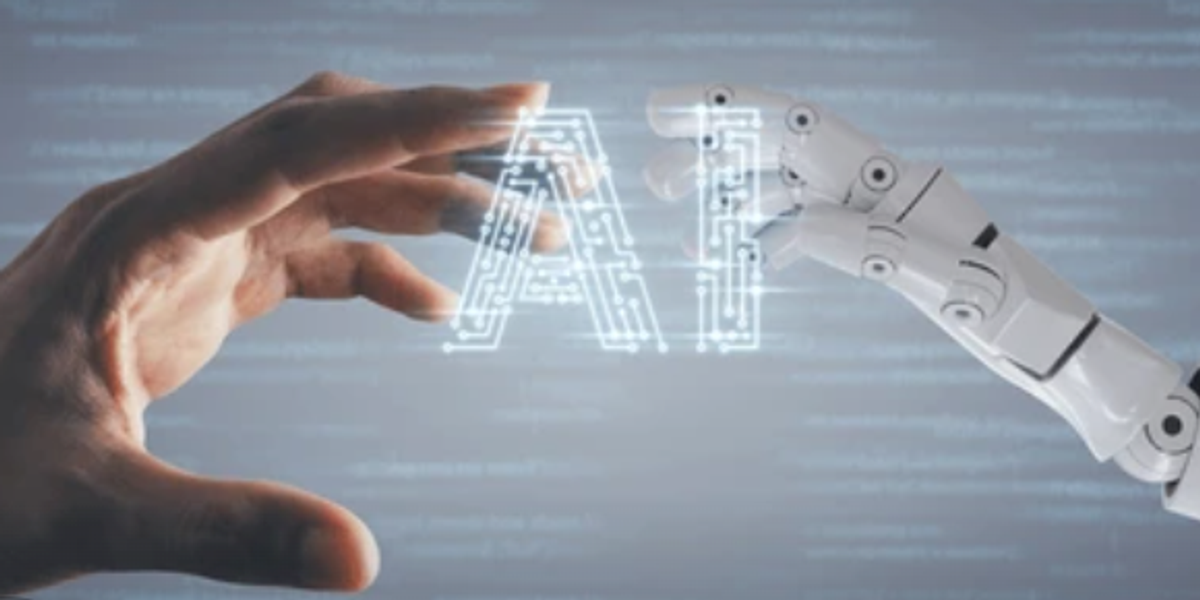
The Challenge in Traditional Physiotherapy Assessment
Physiotherapy assessments traditionally rely on a therapist’s observation, manual measurement, and patient self-reporting. While effective, this approach can be limited by human subjectivity, inconsistent measurement, and difficulty capturing subtle changes over time-especially outside the clinic.
How AI and Smart Tools Are Changing the Landscape
AI-powered platforms and smart sensor technologies are now able to quantify movement, posture, balance, and muscle activity-often more precisely than the human eye. By combining wearable sensors, motion-capture, video analysis, or inertial measurement units (IMUs) with machine-learning algorithms, these tools help:
- Detect subtle deviations in gait, joint angles, or balance — even ones that a therapist might miss.
- Track progress over time with objective data rather than relying solely on memory or manual notes.
- Provide real-time feedback during exercises or assessments, improving accuracy and reducing risk of improper form or reinjury.
- Enable remote or hybrid assessment models — valuable for patients who cannot visit clinics frequently.
AI as a Supplement - Not a Substitute - for Clinical Judgment
Importantly, AI doesn’t replace the therapist’s expertise. Instead, it acts as a clinical partner:
- It offers data and insights. The therapist evaluates those in context-patient history, pain levels, emotional state, motivation, comorbidities.
- AI handles data collection and pattern detection; therapists interpret results, decide on interventions, and apply human empathy, communication, and tailored care.
- This blend of data-driven precision and human intuition results in more comprehensive, patient-centered care.
Benefits: Accuracy, Consistency, Objectivity - Especially Longitudinally
With AI-assisted assessments:
- Rehabilitation becomes more measurable and trackable -objective metrics allow comparison across sessions.
- Progress is no longer anecdotal- it’s backed by quantifiable improvement (e.g., range of motion, symmetry, balance scores).
- Therapists can catch subtle regressions or compensations early, adjusting treatment plans proactively.
- Data helps in outcome reporting, research, and standardizing assessments across therapists or clinics.
Extending Access - Remote & Hybrid Assessments
For patients in remote areas, or those with mobility/access constraints, AI, sensors, tele-rehab can bring assessment to their home. This reduces the burden of travel, ensures continuity of care, and improves adherence.
What It Means for the Future of Physiotherapy
As AI tools become more sophisticated:
- We can expect personalized rehabilitation plans, dynamically adapted based on real-time data.
- Clinics might maintain digital logs and dashboards for patients, enabling better long-term follow-up.
- The profession’s scope increases - therapists might evolve into rehab data-analysts + care-coordinators, combining human care with data science.
- Standards could become more uniform - reducing variability across therapists and geographies.
Final Takeaway:
AI has the potential to bridge the gap - not by replacing physiotherapists, but by strengthening their capabilities, making assessments more accurate, consistent, and accessible. By combining AI-driven insights with therapist intuition, ROPODS’ SPOT ensures assessments are not just data-rich, but deeply human and clinically meaningful.
Ready to Transform Your Rehab Practice?
See how ROPODS SPOT can help you engage patients and drive better outcomes. Book a demo today and experience the future of rehabilitation technology.
Related Articles
 Technology
 Technology
 Technology