How Technology Is Making Rehabilitation More Interactive
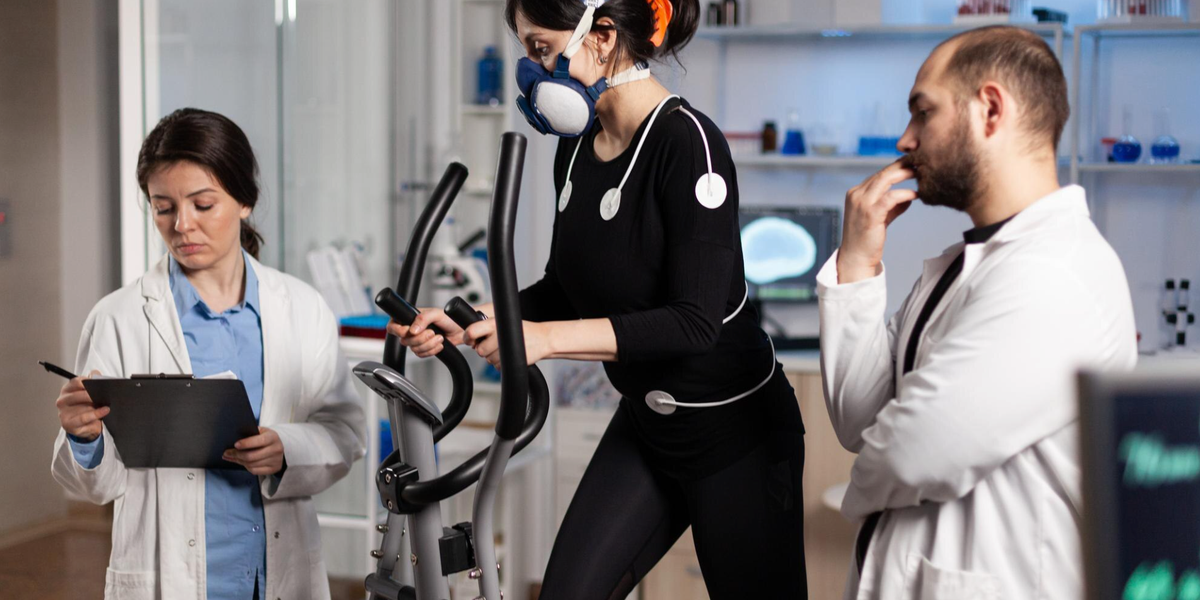
Interactive Rehabilitation: The Future of Healing with Technology
After his shoulder injury, Saurav was really not looking forward to his monotonous daily physical exercises rehab; the same stretches, the same repetitions, going on for weeks. However, it changed when his therapist presented to him an interactive system that not only directed his movements but also provided instant feedback. This is the power of smart rehab, which basically means the use of technology to turn repetitive rehab routines into engaging, goal-oriented sessions, and thus, making the recovery process doable.
Adding another layer, AI in physiotherapy is a great help to the human analyst by providing data to help analyze motion patterns, adapt exercises in real time, and even predict the areas that are at risk of strain, thus making each session safer and more efficient. The use of technology is no longer just a matter of employing a tool; rather, it is becoming a partner in recovery, which in turn motivates patients and makes rehabilitation more interactive, precise, and rewarding.
In this blog, let's take a closer look at how technology is redefining the way we heal and get on track during rehabilitation.
Reimagining Recovery: Interactive and Engaging Rehab
Rehabilitation today is not about repetitive exercises anymore. Smart rehab solutions make therapy interactive, offering real-time feedback on how to correctly perform movements and stay motivated.
Meanwhile, robotics in rehab is transforming recovery for those needing extra support, offering precise guidance, assisting movement, and helping prevent reinjury. Evidence reveals that technology-assisted rehabilitation can positively impact the movement control and adherence of patients compared to conventional rehabilitation methods. Combining smart tools with robotic assistance, modern rehabilitation has become much safer, personalized, and far more effective for patients.
AI-Assisted Interfaces: Making Rehab Patient-Centered
AI in physiotherapy is transforming rehabilitation, delivering personalized, precise, and adaptive exercises that cater to each patient’s unique recovery needs.
The following are some of the key ways AI is transforming rehabilitation.
- Real-Time Biofeedback: AI tracks movement in real time, instantaneously making corrections that help patients maintain proper form and avoid strain, which accelerates recovery.
- Personalized Exercise Plans: Algorithms adjust exercises based on patient progress, injury type, and recovery goals to create a tailored roadmap for each individual.
- Improved Motivation: Interactive AI interfaces offer gamified challenges, progress tracking, and visual feedback to keep patients engaged and consistent.
- Data-Driven Insights: AI delivers granular performance metrics, upon which a therapist can further refine the treatment strategy or make an informed, evidence-based decision.
- Driving Innovation: From wearable sensors to intelligent robotics, AI forms the leading edge of rehab innovation, constantly improving outcomes and expanding the possibilities of therapeutics.
Real-Time Feedback: Reducing Reinjury Risk with Smart Rehab
One of the major changes that has been made through the implementation of real-time correction feedback in rehabilitation is the fact that patients are now able to perform their exercises safely and effectively. Also called tele-physiotherapy, technologies such as remote physiotherapy and motion tracking have made it possible for therapists to monitor patients remotely and give them instructions instantly to correct their form and avoid excessive or painful stretches.
Research findings indicate that motion-sensing devices can detect joint movements with an error of less than 3 mm and less than 2°, thereby greatly increasing the accuracy of the exercises. Those patients who have access to such means were found to have improved biomechanics, and the risk of redoing their injuries became reduced, regardless of whether they did their exercises in the clinic or at home. By integrating objective data, immediate feedback, and remote supervision, these rehab tools and modern technologies have thus become very effective tools in enhancing patient adherence and motivation.
Digital Dashboards: Tracking Progress Made Simple
With modern tools transforming recovery, rehab technology now empowers both patients and therapists with real-time insights, making progress tracking smarter, clearer, and more motivating than ever.
How digital dashboards enhance rehabilitation.
- Visual Progress Tracking: Patients are able to notice the changes in their range of motion, strength, and endurance that occur gradually.
- Data-Driven Adjustments: Therapists refer to the dashboards in order to tweak and introduce changes to the exercises depending on the performance metrics that are measured objectively.
- Motivation and Participation: The visualisation of goals and accomplishments gives the patients the drive to keep going with their rehab program.
- Integration with Motion Tracking: Dashboards have the ability to present information from sensors, thus offering a detailed explanation of the movement quality and helping prevent reinjury.
- Remote Monitoring: It is a way through which therapists can follow at-home sessions, thus ensuring that the exercises are done properly even when the patient is not in the clinic.
Seamless Collaboration with Connected Rehab Systems
Connected rehab systems are changing the way patients recover by allowing uninterrupted dialogue between patients and therapists. Using smart rehab platforms, therapists are able to monitor the progress, give instructions in real-time, and even change the exercises remotely. By using AI in physiotherapy, these devices evaluate the performance data, pinpoint the areas that lack the skills, and also provide personalized changes, thus making every session more efficient.
Furthermore, devices like SPOT by ROPODS showcase this new era of intelligent rehab technology, providing real-time feedback, detailed progress tracking, and more engaging exercise experiences. This seamless connectivity not only boosts motivation but also strengthens collaboration, making rehabilitation safer and more effective.
Interactive Rehab: Energizing Recovery and Motivation
The process of recovery involves a significant mental challenge alongside a physical one, and the interactive rehabilitation is completely changing the way patients undergo it. With motion tracking, each and every movement is recorded and displayed, thus the patients are provided with a definite feeling of progress and accomplishment. Such an instant response turns those tiny improvements into very motivating milestones, which in turn helps to enhance the patients' confidence and resilience.
Incorporating VR therapy adds an immersive, game-like element, making exercises enjoyable, reducing monotony, and encouraging patients to push a little further each session. Beyond physical gains, this approach positively impacts emotional well-being. By integrating tech with the patient's encouragement and interaction, interactive rehabilitation becomes an uplifting, motivating experience that helps the mind as well as the body, thus enabling the patient to progress quickly and have a stronger, more positive mindset overall.
The Future of Rehab: Immersive, Intelligent, and Motivating
The future of rehabilitation is moving toward fully immersive experiences that merge technology, motivation, and precision. With AI in physiotherapy, exercises can be tailored in real time as adjustments are made to a patient's progress and needs to make each session more effective. Incorporating biofeedback allows patients to see and feel their performance instantly, reinforcing proper movements and boosting engagement. Continuous innovation in rehabilitation technology transforms the way that patients approach recovery by making the process interactive, enjoyable, and quantifiable.
At ROPODS, our goal is to redefine human performance through the synergy between intelligent sensors and artificial intelligence. Our flagship tool, SPOT, puts real-time feedback, motivational audio, gamification features, and a performance-tracking toolset at the therapist's fingertips to ensure that rehabilitation is both engaging and effective. In a rapidly evolving landscape of rehab technology, our objective at ROPODS is to make physiotherapy faster and safer, but above all, more impactful for every patient by transforming recovery into an immersive journey through progress and achievement.
The Final Word
Today, in the age of technology, rehab does not need to be a tedious task anymore. Robotics in rehab has made it possible to move with confidence, receive instant feedback, and actually notice the change each session makes. Furthermore, tech is making recovery an engaging process, where one can see the progress and find it easier to get through their setbacks. The idea of "just getting better" has been replaced with "being supported, engaged, and feeling in control" at each step.
Ready to Transform Your Rehab Practice?
See how ROPODS SPOT can help you engage patients and drive better outcomes. Book a demo today and experience the future of rehabilitation technology.
Related Articles
 Technology
 Technology
 Technology